Some directors tell stories; others use their stories to tell us about people. Ken Loach belongs to the latter group. His films are rooted in places society has stopped looking: the outskirts of town, council estates, working-class neighborhoods and workplaces. His gaze falls on everything that usually remains at the edge of the frame, bringing to the fore lives that rarely find a place on screen.
This is a cinema of the marginalized, the poor, the working-class “heroes.” There is little heroic about the working class, beyond the sheer stubbornness of carrying on. Not necessarily out of grit or ambition, but simply because there’s no alternative. Loach’s protagonists are often ordinary people, trapped in economic and social circumstances that seem to leave them very little chance of changing their fate.
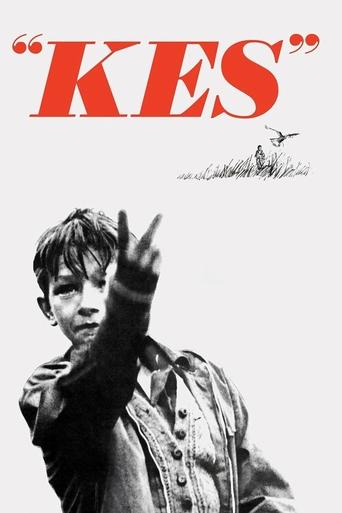
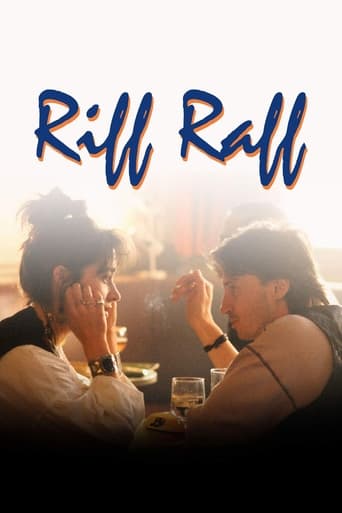
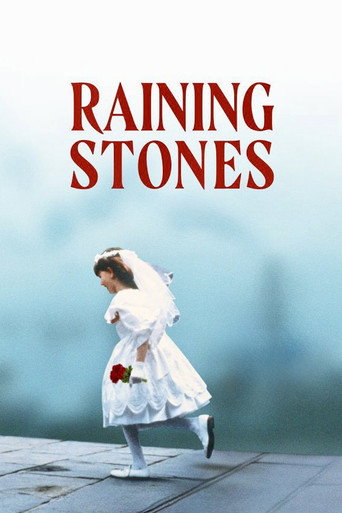
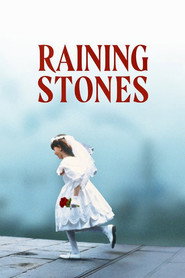
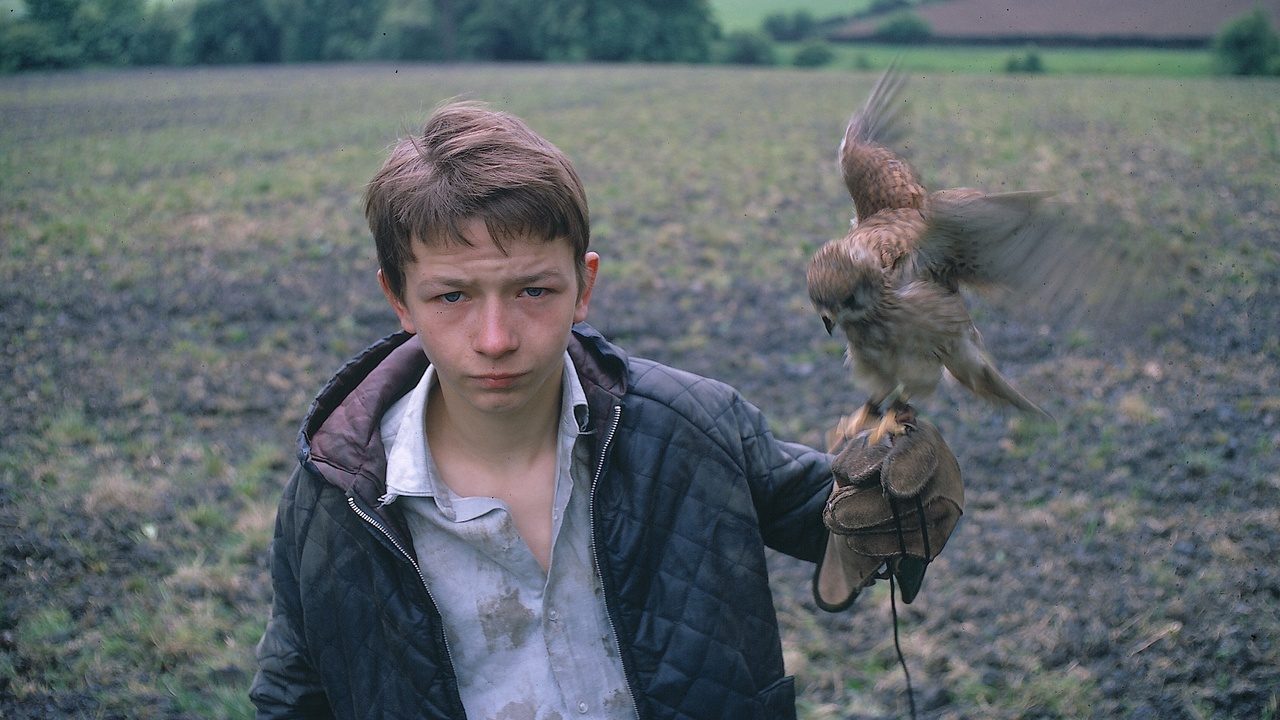
As early as Poor Cow (1967), Loach told the story of a life shaped by emotional and financial insecurity. In Kes (1969), he turned his attention to a boy growing up in a family and social environment that offered him no real chance of a better life. In Riff-Raff (1991), the world of work becomes a portrait of insecurity that reaches beyond a person’s finances and seeps into every part of life. In Raining Stones (1993), the struggle to provide for a family becomes a daily battle against a system that seems to offer no way out. Finally, in Ladybird Ladybird (1994), the conflict shifts squarely to the relationship between individuals and institutions, showing how oppressive bureaucracy can become, especially for those most in need of support.
In Loach’s films, social mobility is rarely a realistic ambition. It is more of a disillusioned idea, a distant horizon, sometimes even a luxury his characters can’t afford. Some seem detached, almost asleep, as if they’ve gradually stopped expecting anything from life. Others are consumed by a fierce anger that leads them to make the same mistakes over and over. Still others stubbornly refuse to accept their circumstances, even though they can’t find the means to escape them. Yet despite their differences, they share one thing: they know exactly where they stand in society.
Perhaps this is one of the most compelling things about Loach’s films. His protagonists understand the world they live in, recognize the injustices they face and see how a system that seems to have abandoned them works. They know the institutions see them as a burden, that they’re exploited by a job market that makes them easy to replace, and that they lack the tools to communicate with a world that, in the end, created them but doesn’t seem to want them.
We, on the other hand, often risk losing that awareness. Surrounded by a world that constantly offers us new distractions and new narratives, we can lose the clarity we need to understand the conditions we live in. Loach makes us stop and look at what we’d rather not see. Not through grand speeches or ideological declarations, but by following the lives of people who could easily live on the streets of our own cities.
His films don’t try to move us with romantic flourishes, swelling music or contrived drama. They don’t need to. The reality he puts on screen is powerful enough to carry the story. His approach is spare and direct, closely attuned to his characters’ everyday lives. Even when he makes room for irony and comedy, as in Raining Stones, the humor never softens the harshness of the lives he depicts. If anything, it makes it all the more apparent.
There’s no need to turn his protagonists into heroes or to bestow on them a dignity they already possess. It’s enough to show them as they are: people trying to get by, hold down a job, raise their children and preserve a little peace of mind in lives that seem to keep taking something away from them.
This power of observation is what makes Ken Loach’s cinema so compelling. His films don’t claim to offer easy answers; instead, they keep asking viewers to think about the society they live in and the collective responsibilities we so often forget.
Because, after all, in Ken Loach’s world, it rains stones on the working class seven days a week.
5 Films to Discover Ken Loach
Poor Cow (1967)
The British director’s debut tells the story of Joy, a young working-class woman in London trapped in a difficult life. When her violent husband, Tom, is sent to prison for theft, Joy finds real happiness and tenderness in the arms of Dave, her husband’s friend. But bad luck follows her: Dave is soon arrested too and sentenced to a long stretch in prison, forcing Joy back to the same harsh reality and resignation as before.