The human body is not an immutable reality. It is unstable territory, shaped by transformations, desires and anxieties that constantly challenge who we are. This is the premise behind David Cronenberg’s cinema.
The Canadian director sees the human body as an object of interest and curiosity, and as an integral part of our essence. That is why, despite being considered its master, he categorically rejects the label body horror. The human body is not horrifying; it is fascinating.
Through his films, David Cronenberg has explored how the body relates to the reality around it: from its relationship with technology to mutations that alter human identity and nature, from the impulses of the flesh to the possibility of a new evolutionary path in which transformation is no longer just a threat, but a vision of the future.
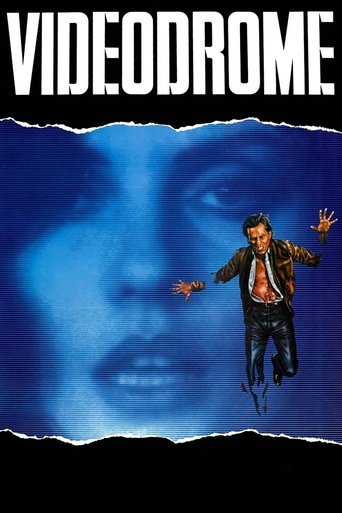
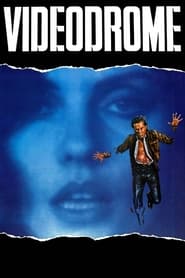
In Videodrome (1983), technology is no longer simply a tool at humanity’s service. It begins to alter our perception and even our bodies. Television becomes an extension of the human mind, blurring the line between the real and the artificial. We are no longer the ones consuming television; it penetrates us, taking control of our bodies and thoughts. The film anticipates many contemporary anxieties about the power of media images and our dependence on communication technologies.
We begin to understand just how fragile the body is, and how a change to it can call everything we consider part of our identity into question.
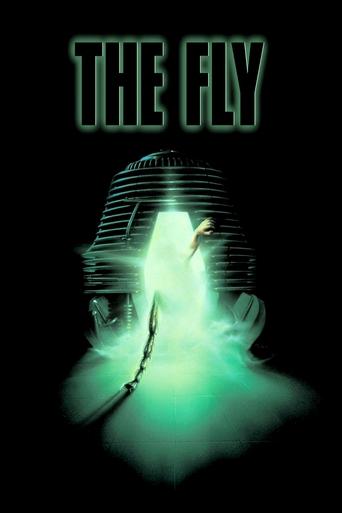
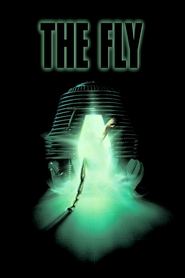
In 1986, The Fly brings this crisis to life. The protagonist’s mutation is not merely a monstrous transformation, but a gradual estrangement from his own nature. The body becomes uncontrollable, following an evolutionary path of its own, independent of the individual’s will. At first, the protagonist’s body grows strong and powerful, seemingly perfect and indestructible. But then an inevitable deterioration sets in, leading to the complete destruction of both body and self. The film thus emerges as a metaphor for illness and aging.
Technology, however, is not the only force capable of altering the body and our perception of reality.
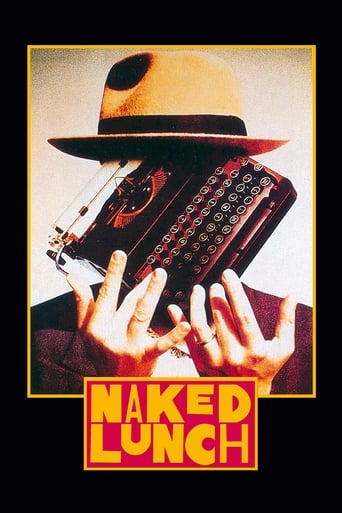
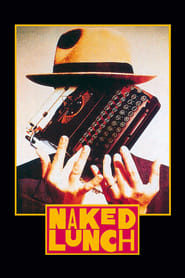
In 1991, David Cronenberg formed a kind of indirect spiritual kinship with William S. Burroughs, adapting his book Naked Lunch for the screen. Here, substance dependence distorts the character’s perception and identity. Hallucination forcefully intrudes into reality, creating a universe where objects and creatures take on organic forms. The transformation affects not only the body, but also the mind and the way the individual interprets the world.
In 1996, Cronenberg made a film about something that may prompt us, more than almost anything else, to rethink our relationship with our bodies: sexual desire.
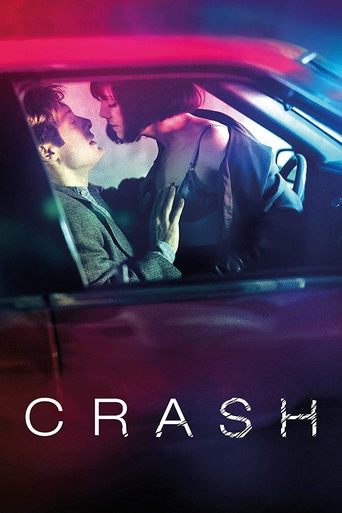
In Crash, desire is intertwined with violence and physical destruction: the car becomes an extension of the human body, a tool that reshapes the relationship between pleasure and pain. The film challenges the boundaries of conventional sexuality and shows just how unpredictable human desires can be, highlighting how technology is no longer merely external but an integral part of the characters’ physical and sensory experience.
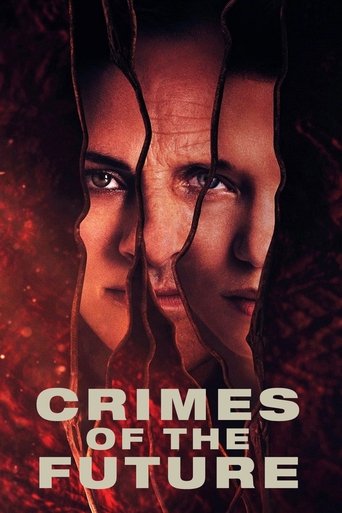
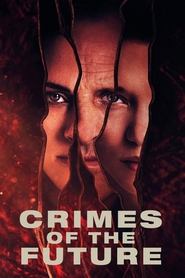
Ultimately, the body is not fixed; it is in a constant state of transformation, an organism that continually changes and evolves. In Crimes of the Future (2022), Cronenberg imagines a future in which the body undergoes a new evolution, developing new organs and allowing people to modify their own biology—challenging traditional ideas about the body. Pain takes on a different meaning here, becoming an integral part of the process of transformation. The film sees Cronenberg return to the roots of his artistic vision, putting biological mutation and the relationship between identity and flesh back at the center, while offering a more radical perspective on human evolution.
Through his depictions of bodily mutations and disfigurements, this director has brought bold, eerily “prophetic” reflections on humanity, its fragile identity and the reality surrounding it to the screen.
5 Films to Discover David Cronenberg
Videodrome (1983)
Max Renn, the head of a small television station, discovers a mysterious pirate broadcast showing extreme violence. His search draws him into a nightmare where reality, hallucination and physical transformation become increasingly difficult to tell apart.