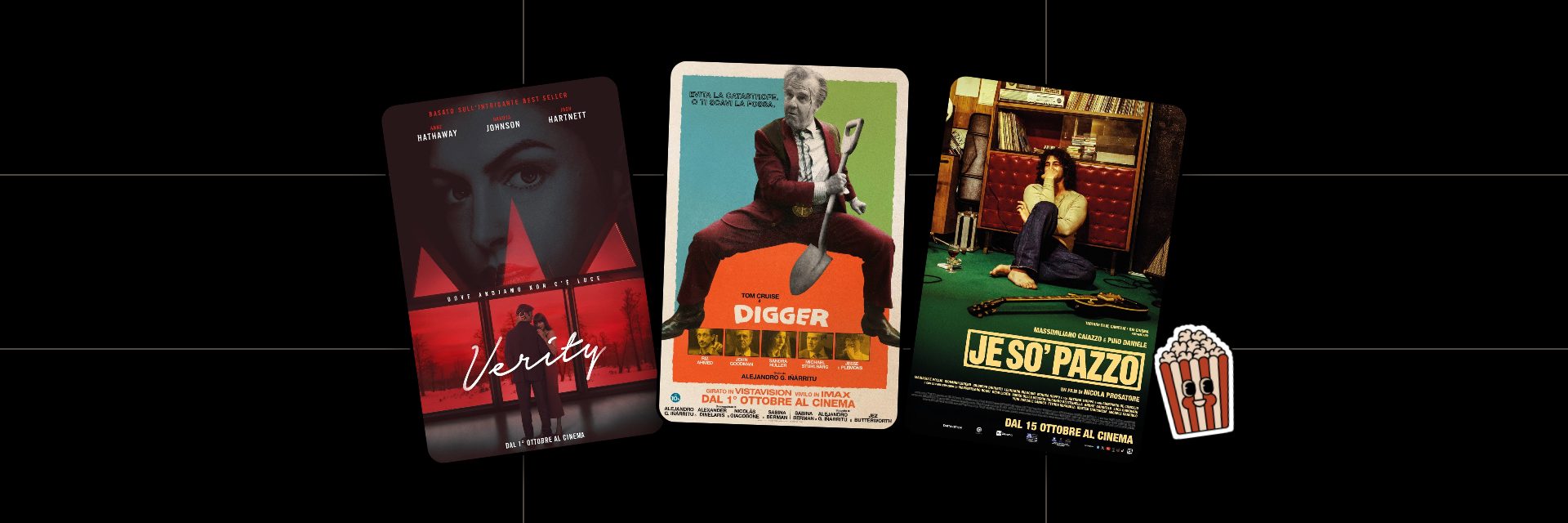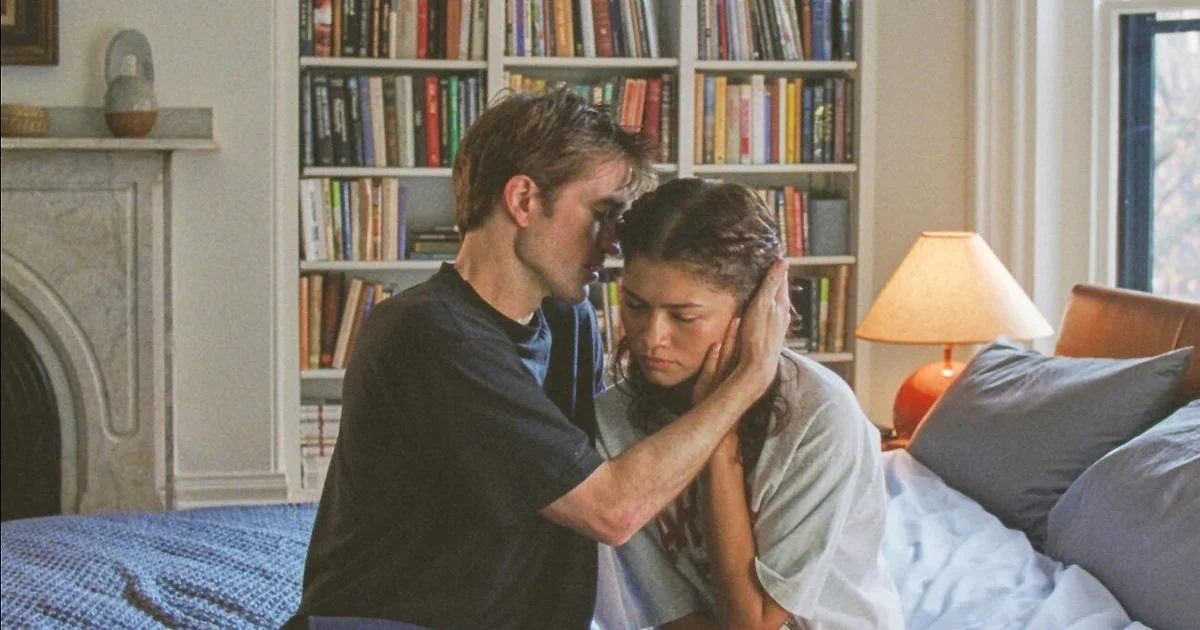
There's a question that quietly runs through Kristoffer Borgli's two most recent films, Sick of Myself (2022) and The Drama (2026), and it's something like this: how much of what we show others is truly ours?
In his films, art and design are never just decoration. They are the means by which characters construct—or steal—an identity.
Sick of Myself: Stealing to Be Someone
Thomas, Signe's boyfriend in Sick of Myself, is a sculptor who transforms stolen designer furniture into works of art. Borgli has shared that he was inspired by a true story: in Oslo, a group of people would steal expensive furniture during events and public occasions, taking advantage of the trust—and discretion—typical of the Norwegian environment. Borgli followed the story while the film was in production, and some of those responsible were arrested during that time.
There's a detail that makes it all the more interesting: Eirik Sæther, who plays Thomas, is a real-life artist and also served as the film's art consultant. The challenge, he explains, was to immediately convey to the viewer that the furniture had become 'art': the initial compositions were too subtle, and the audience didn't get it. The solution was to stack them almost brutally, like ready-mades—stolen objects, piled up, shamelessly displayed.
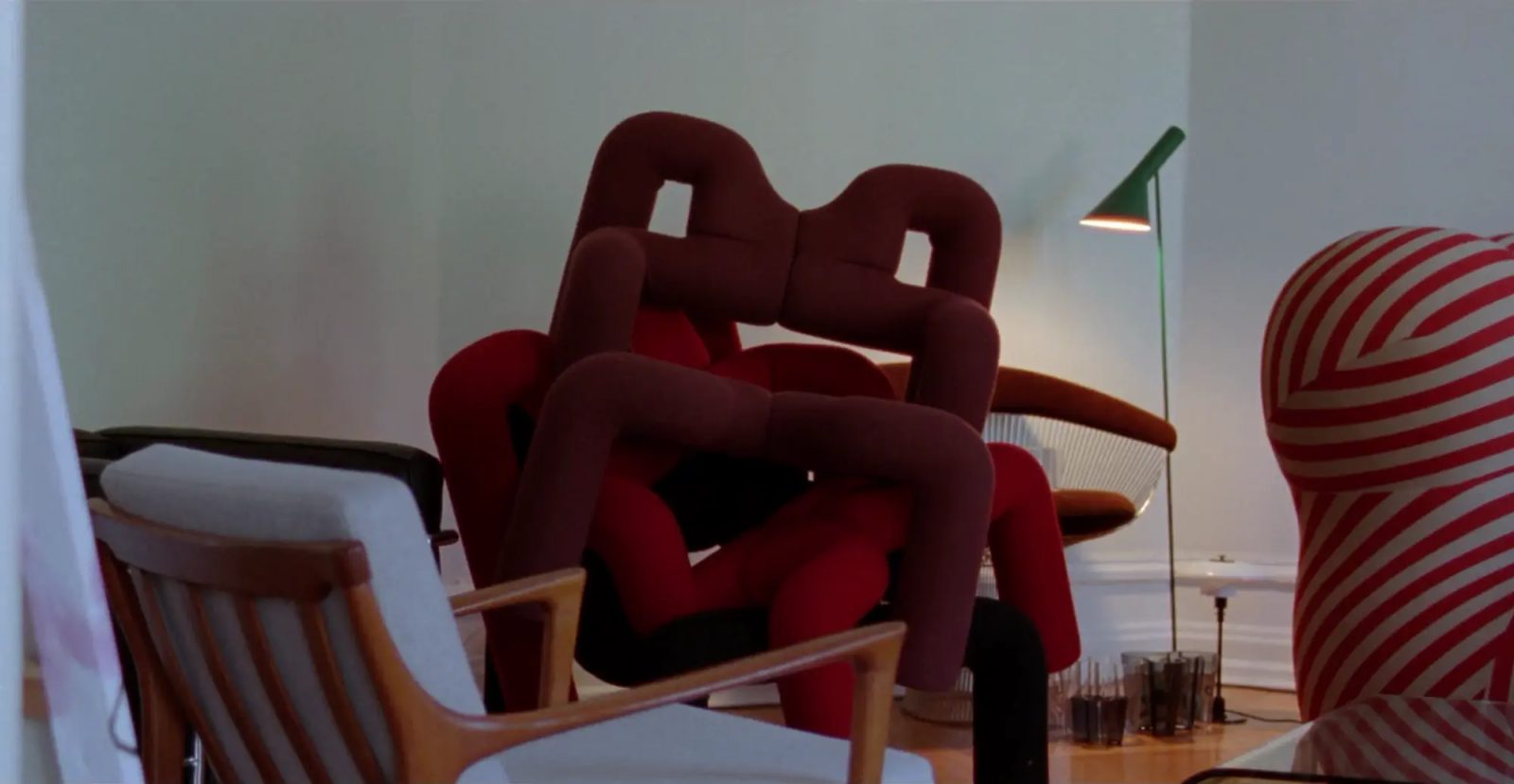
In this film, art is born from an act of illegitimate possession. Thomas creates nothing: he literally appropriates what he wants others to see.
The Drama: Building an Identity with What You Choose
In The Drama, the protagonist Charlie is already within the art institution—he's a museum curator (filmed at the actual Addison Gallery of American Art in Andover, Massachusetts)—and his identity is built through what he chooses to view, collect, and curate.
Production designer Zosia MacKenzie was adamant: no 'prop art,' no merely decorative props. Every piece in the apartment had to be real, because Charlie, as a curator, would have built a real collection, choosing real artists. The team searched among artists in Boston, New York, and Los Angeles, but especially involved Borgli's friends, many of whom are Norwegian—including Eirik Sæther himself, whose work Photocall appears in the apartment.
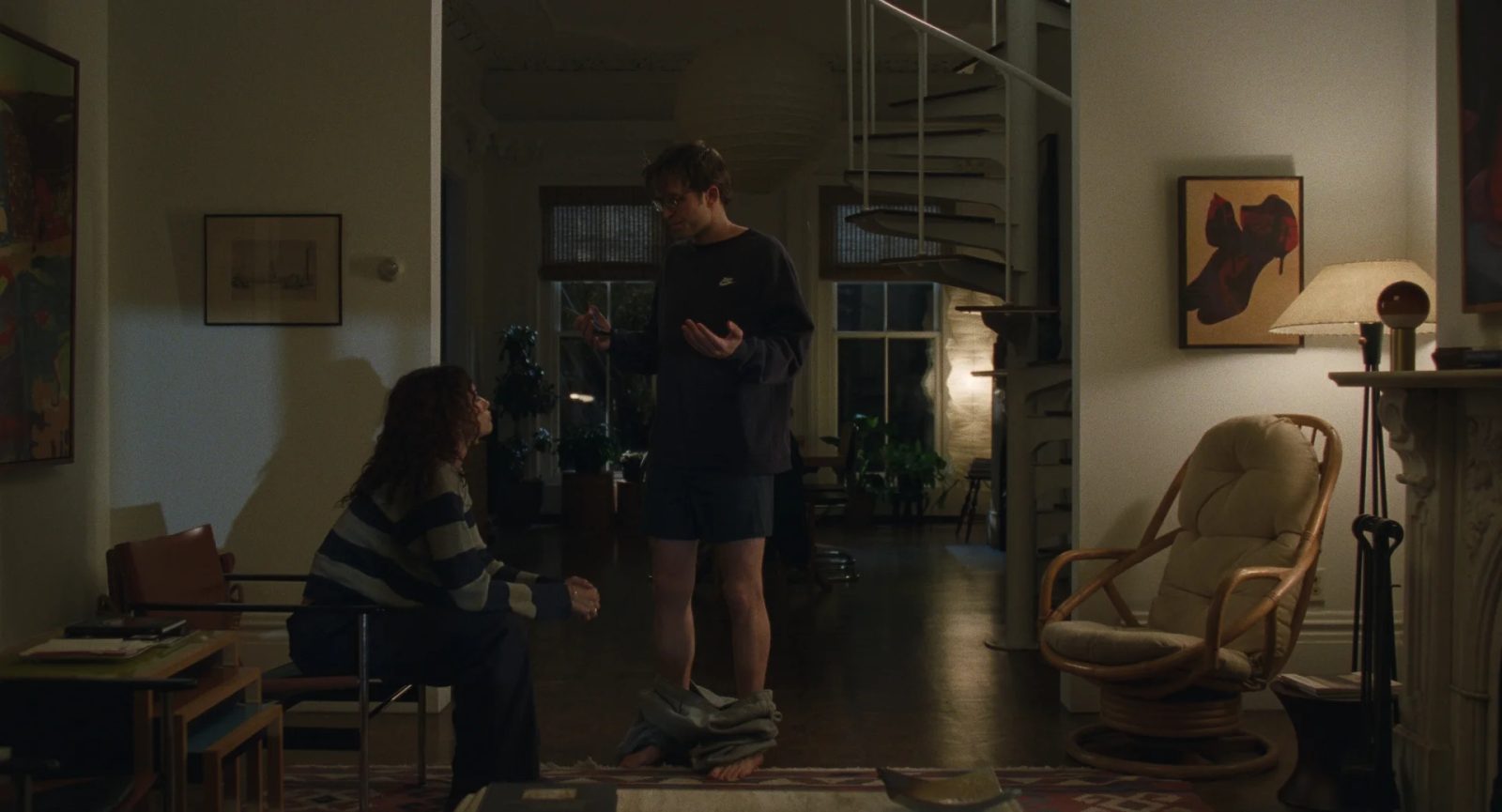
Among the identified works: Shambolic Figure by Tristan Unrau, the large painting above the fireplace—a nearly liquefied figure, positioned not by chance right behind Charlie during some of the film's most charged conversations; Peony II by Sara Cwynar, a flower with saturated colors, beautiful at first glance but with some petals already fallen; Shell, a large photograph by Bjarne Bare, a Norwegian artist transplanted to Los Angeles. And then John Gall, Max Siedentopf, Danielle Orchard, Jerry Hsu, Seth Fluker, Hans Hartung: names that the production treats not as filler, but as part of the construction of Charlie's environment.
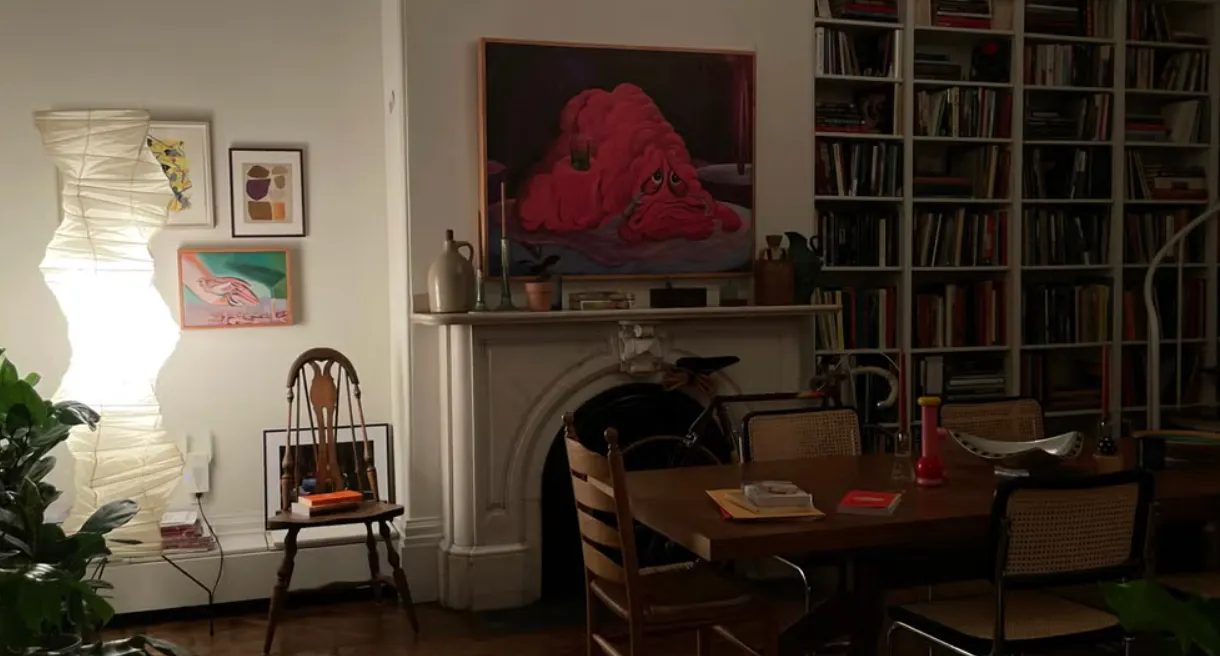
The design follows the same logic: a Knoll sofa, Charles Pollock chairs, Josef Albers tables, mismatched Cesca chairs, the Cross Extension table by Matthew Hilton, Isamu Noguchi lamps, and other carefully chosen lighting pieces. The imperfection—different chairs, mismatched nightstands—is intentional: MacKenzie didn't want a catalog home, but a home that tells the story of two people still being built. In her view, the apartment had to be curated and 'studied,' but also truly lived in.
A Thread Between the Two Films
Connecting the two films, the difference is all there: Thomas literally appropriates objects that don't belong to him, while Charlie has internalized the system to the point of living within it, carefully constructing an image of himself through what he displays. The Drama adds another layer: the apartment becomes a kind of exhibition curated by Charlie—only the work on display, unbeknownst to him, is his own relationship.
And then there's Eirik Sæther, who traverses both films in three different ways: he plays the artist-thief in Sick of Myself, is a real artist in real life, and in The Drama his work appears among those chosen by a character who, by profession, knows how to recognize true art.