Absolute Beginners: Cinema as Possibility
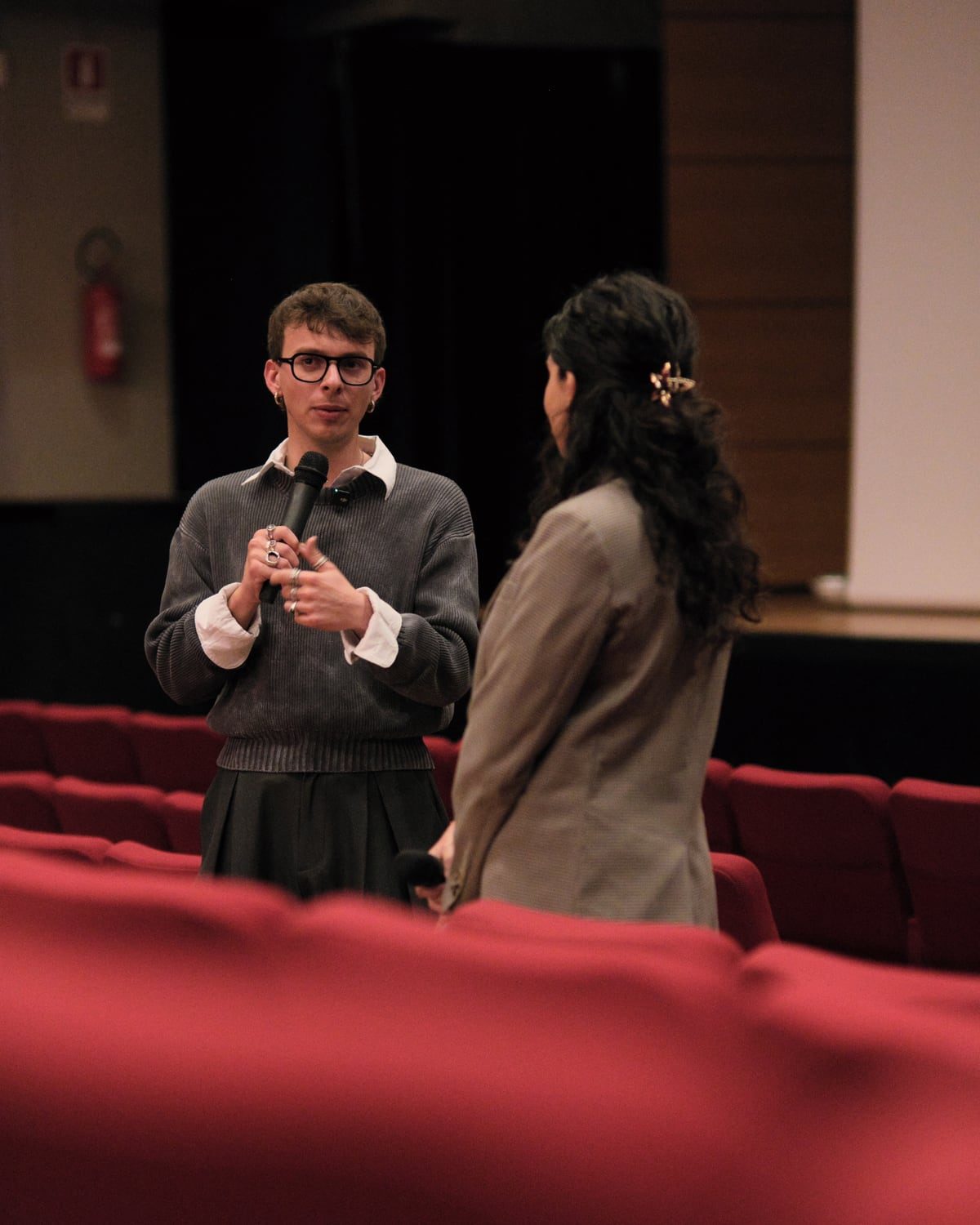
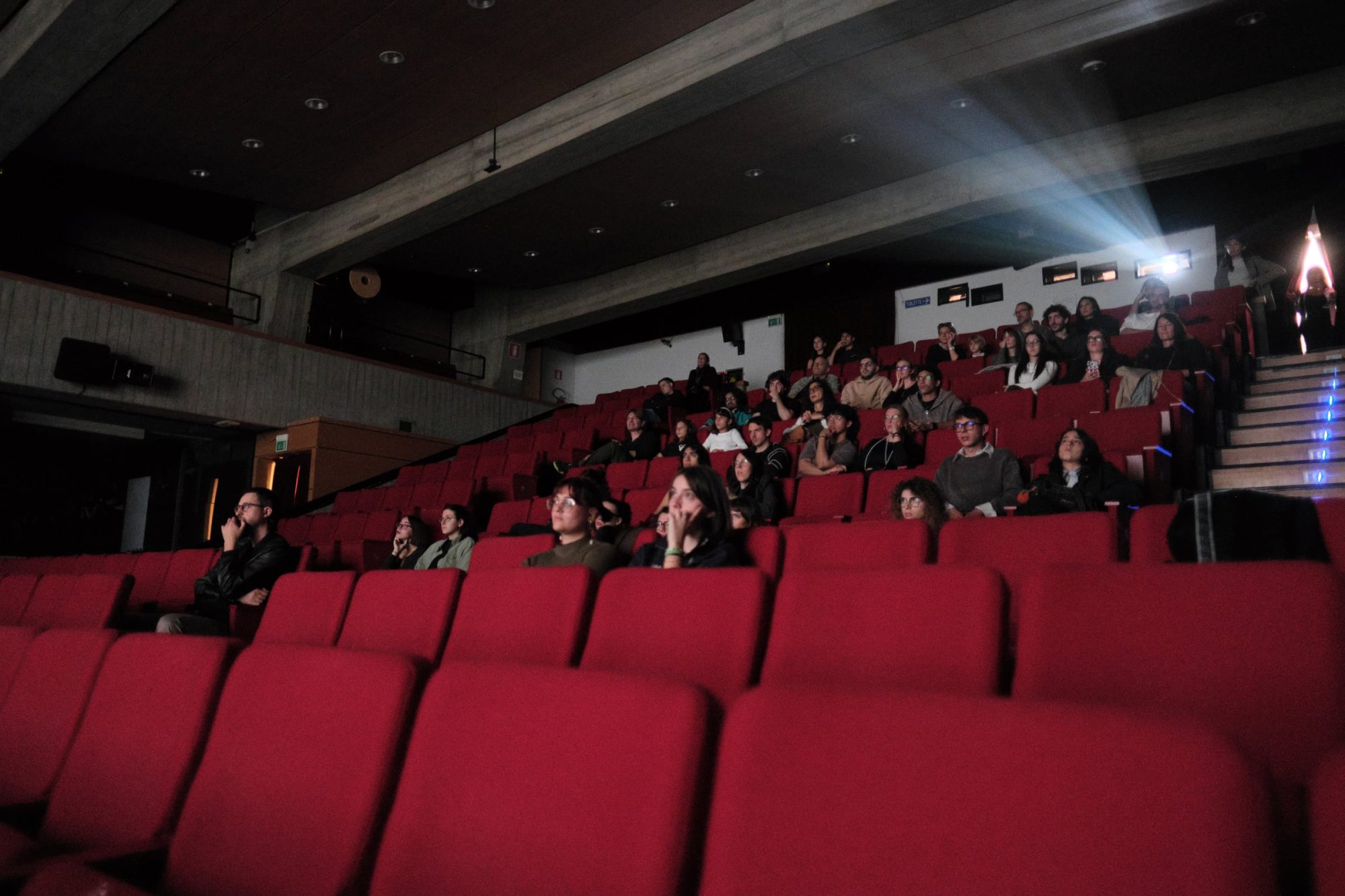
On Thursday, October 15, we went to the San Fedele Cultural Foundation in Milan for the fifth edition of Sognicorti, a festival dedicated to independent cinema that brings directors and audiences together through screenings and post-film discussions.
The evening’s title, Absolute Beginners, pays tribute to Julien Temple’s film of the same name and David Bowie’s iconic song. It evokes new beginnings, creative energy and the freedom to imagine what doesn’t yet exist. After all, making a film is about just that: starting with a spark, following where your ideas lead and finding a way to tell the story.

Photo by Matteo Pignoli
We were welcomed by a lively, attentive and engaged audience. Seeing so many people come together to support independent filmmakers reminded us how important it is to have spaces where cinema can be discovered, discussed and shared beyond the better-known circuits.
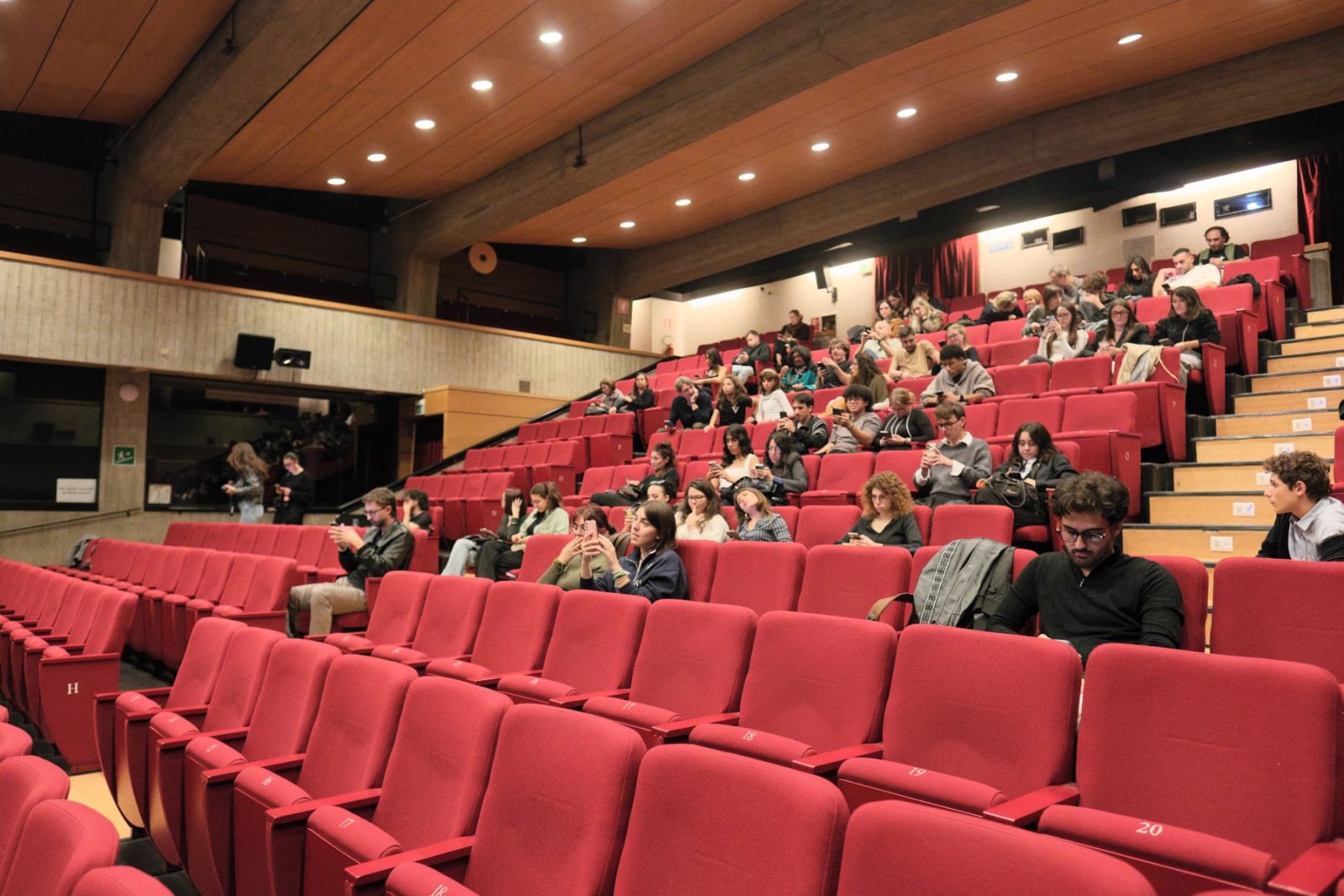
Photo by Matteo Pignoli
The evening gave us the chance to encounter four works and their creators, and to get a closer look at the creative process behind a story. Because a film doesn’t begin when the lights go down in the theater. Often, it starts much earlier—with a question, a personal experience or an idea that keeps coming back.
Watching a Film Before It’s Finished: Redemption for the Future by Antonio Cofano
The evening opened with a test screening of Redemption for the Future, a short film by Antonio Cofano that’s still in production.
It was one of the evening’s most interesting experiences precisely because it let us see a film before post-production was complete. Watching a film at this stage makes you realize just how delicate cinematic storytelling can be: even a small editing change can alter the pace of a scene, shift the audience’s focus or take the story in a different direction.
It’s not easy to convey an idea exactly as you imagined it, or to make sure the audience receives the message you want to get across. Seeing a work that’s still open to change makes this process especially clear.
The conversation with the director added another important dimension. Cofano said he draws inspiration from events that affect him personally and are connected to his homeland—stories he feels compelled to tell and speak out about himself. Cinema thus becomes a way to take a stand, make sense of reality and bring issues to people’s attention rather than let them go unspoken.
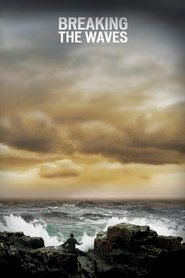
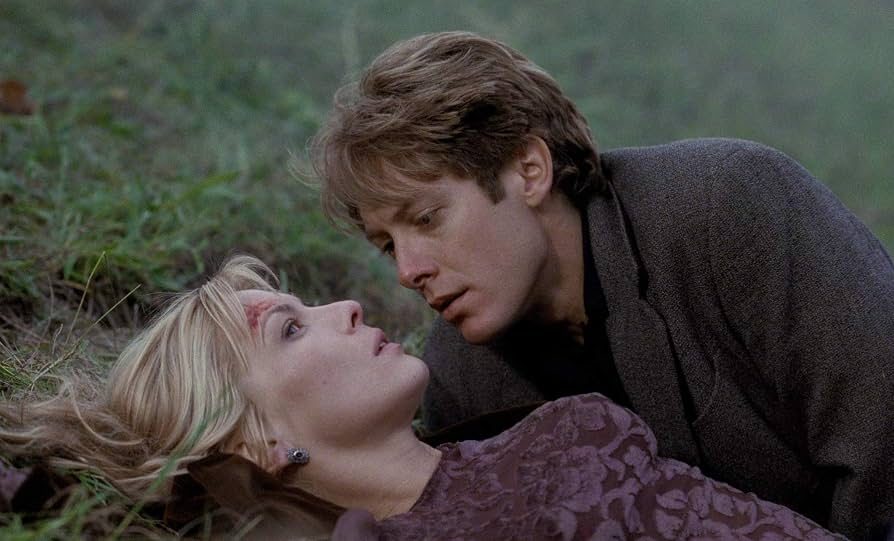
To get a better sense of his creative world, we asked him to name three films that help us understand his work. His picks span different sensibilities and styles: Lars von Trier’s Breaking the Waves, Harmony Korine’s Mr. Lonely and Le città di pianura.